Through our programs, YIVO makes discoveries and treasures from our collections accessible and fosters the creation of contemporary Jewish culture. Explore our upcoming events and join us at YIVO soon.
To do our part to try to contain the spread of the coronavirus, YIVO is temporarily closed until further notice. In place of our regularly scheduled in-person programs during this time we are offering live and pre-recorded programs online. Find out about our upcoming online programs below and be sure to follow us on Facebook, where we are hosting Live check-ins and mini-lectures throughout each week.
Be the first to know about upcoming programs and special events by signing up for our email list »
Travel with YIVO this summer.
Join us on our exclusive study tours of Eastern Europe! Learn more »
[FALL2026] Beginner II Yiddish (Monday)
This weekly class develops listening, speaking, writing, and reading skills. It is primarily for students who have completed Beginner I Yiddish or equivalent coursework.
[FALL2026] Advanced III Yiddish
This weekly class enhances listening, speaking, writing, and reading skills. It is primarily for students who have completed Advanced II Yiddish or equivalent coursework.
[FALL2026] Intermediate I Yiddish
This weekly class develops listening, speaking, writing, and reading skills. It is primarily for students who have completed Beginner IV Yiddish or equivalent coursework.
[FALL2026] Beginner I Yiddish (Tuesday)
This weekly class covers the alef-beys and grammar, vocabulary, and conversational basics. It is for those who are new to the Yiddish language or would like a review.
[FALL2026] Beginner II Yiddish (Tuesday)
This weekly class develops listening, speaking, writing, and reading skills. It is primarily for students who have completed Beginner I Yiddish or equivalent coursework.
[FALL2026] Advanced II Yiddish
This weekly standard class enhances listening, speaking, writing, and reading skills. It is primarily for students who have completed Advanced I Yiddish or equivalent coursework.
[FALL2026] Intermediate I Yiddish (In-person)
This weekly class develops listening, speaking, writing, and reading skills. It is primarily for students who have completed Beginner III Yiddish, Beginner IV Yiddish, or equivalent coursework.
[FALL2026] Intermediate III Yiddish
This weekly class develops listening, speaking, writing, and reading skills. It is primarily for students who have completed Intermediate II Yiddish or equivalent coursework.
[FALL2026] Advanced I Yiddish (Twice-a-week)
This twice-weekly class enhances listening, speaking, writing, and reading skills. It is primarily for students who have completed Intermediate IV Yiddish or equivalent coursework.
[FALL2026] Beginner I Yiddish (Wednesday)
This weekly class covers the alef-beys and grammar, vocabulary, and conversational basics. It is for those who are new to the Yiddish language or would like a review.
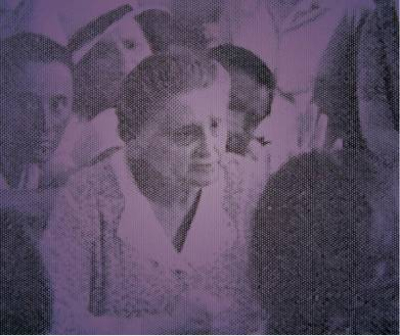
[FALL2026] The Memoirs of Puah Rakovsky
Vera Szabó guides students through excerpts from the memoir of educator, feminist, and Zionist Puah Rakovsky, examining its historical and cultural context, voice, and stylistic variation.
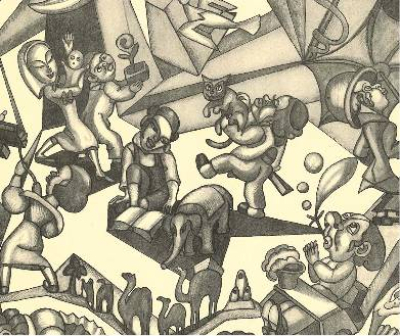
Jewish Songs and Dances for Piano: Joseph Achron's 'Children's Suite'
Ryan MacEvoy McCullough performs Joseph Achron’s "Children's Suite" (1923): a collection of 20 character pieces for piano depicting the world of children.
[FALL2026] Beginner I Yiddish (In-person)
This weekly class covers the alef-beys and grammar, vocabulary, and conversational basics. It is for those who are new to the Yiddish language or would like a review.
[FALL2026] Beginner IV Yiddish (Thursday)
This weekly class develops listening, speaking, writing, and reading skills. It is primarily for students who have completed Beginner III Yiddish or equivalent coursework.
[FALL2026] Intermediate IV Yiddish
This weekly class develops listening, speaking, writing, and reading skills. It is primarily for students who have completed Intermediate III Yiddish or equivalent coursework.
[FALL2026] Beginner I Yiddish (Thursday)
This weekly class covers the alef-beys and grammar, vocabulary, and conversational basics. It is for those who are new to the Yiddish language or would like a review.
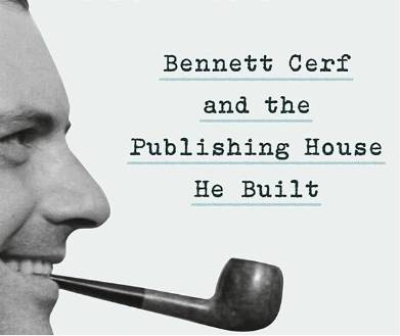
Bennett Cerf and the Publishing House He Built
Gayle Feldman, in a conversation moderated by Jonathan Brent, details how Bennett Cerf, co-founder of Random House, transformed American publishing and became one of its most influential cultural figures.
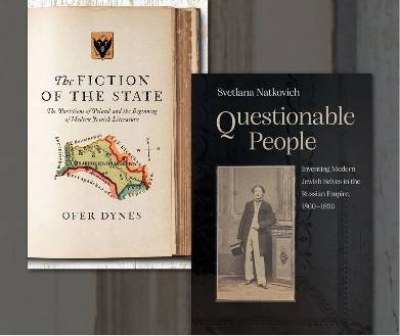
Modern Jewish Identity in the Age of Empire
In a discussion lead by Jeremy Dauber, Ofer Dynes and Svetlana Natkovich explore the intertwined histories of Jewish literature, identity, and nationhood in the Partitions of Poland and the Russian Empire, revealing how Jews used their artistic work to grapple with shifting political and social landscapes.
[FALL2026] Advanced I Yiddish
This weekly class develops listening, speaking, writing, and reading skills. It is primarily for students who have completed Intermediate IV Yiddish or equivalent coursework.
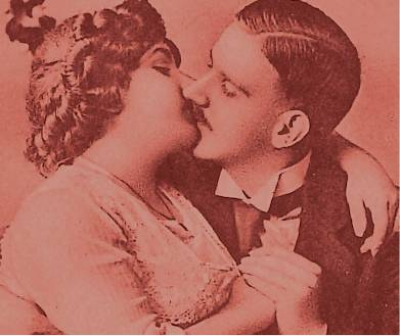
[FALL2026] Bodies, Desire, and Sexuality in Eastern European Jewish History
Aleksandra Jakubczak explores how Jews in Eastern Europe understood and experienced the body, sexuality, and desire in the modern era, looking beyond marriage and family life to examine a wide range of intimate experiences and practices.
[FALL2026] Intermediate II Yiddish
This weekly class develops listening, speaking, writing, and reading skills. It is primarily for students who have completed Intermediate I Yiddish or equivalent coursework.
[FALL2026] Beginner III Yiddish (Sunday Morning)
This weekly class develops listening, speaking, writing, and reading skills. It is primarily for students who have completed Beginner II Yiddish or equivalent coursework.
[FALL2026] Advanced Topics in Yiddish Literature and Grammar: The Yiddish Underworld
This weekly class enhances listening, speaking, writing, and reading skills. It is appropriate for Yiddish students at the advanced level.
[FALL2026] Pogroms and Jewish Self-Defense in the Russian Empire, 1881-1921
Netta Ehrlich examines Jewish self-defense as a response to anti-Jewish violence in the Russian Empire, exploring both the practice itself and how it was represented in literature and contemporary documentation.
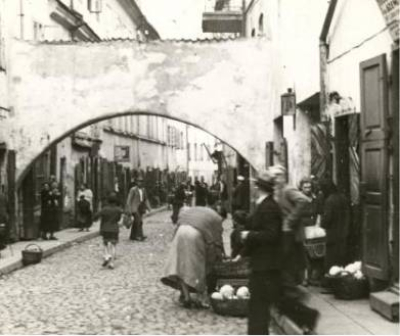
Nusakh Vilne Memorial: Songs of Eliakum Zunser
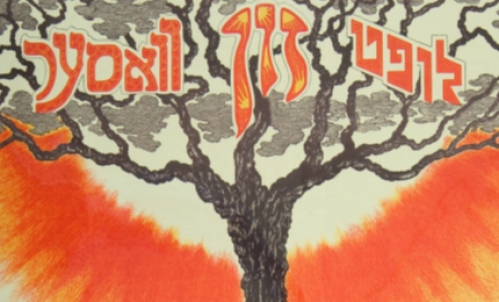
For 2026’s commemoration of the Jewish community of Vilna, Alyssa Quint discusses the work of folk bard and songwriter Eliakum Zunser, followed by a performance of Zunser’s music by Maximillian Jansen and Dan Schlosberg.
[FALL2026] Advanced V Yiddish (Sunday Afternoon)
This weekly class enhances listening, speaking, writing, and reading skills. It is primarily for students who have completed Advanced IV Yiddish or equivalent coursework.
[FALL2026] Beginner IV Yiddish (Sunday)
This weekly class develops listening, speaking, writing, and reading skills. It is primarily for students who have completed Beginner III Yiddish or equivalent coursework.
[FALL2026] Beginner III Yiddish (Sunday Afternoon)
This weekly class develops listening, speaking, writing, and reading skills. It is primarily for students who have completed Beginner II Yiddish or equivalent coursework.
[FALL2026] Advanced V Yiddish (Sunday Evening)
This weekly class enhances listening, speaking, writing, and reading skills. It is primarily for students who have completed Advanced IV Yiddish or equivalent coursework.
Reclaiming More Music of Polish Composers: Refugees from World War II
This concert is another in a continuing series of performances that feature the work of composers whose voices and careers were brutally silenced by the Nazis during World War II.
Yiddish Poetry and Jewish Identity in 1930s America
Itay Zutra offers a comparative study of the poetry written by the modernist group of New York Yiddish poets known as In Zikh, or the “Introspectivists,” in a discussion led by Justin Cammy.
Master of Melody: Ben Zion Shenker and Hasidic Song in America
Dr. Gordon Dale examines the life of Rabbi Ben Zion Shenker, one of the foremost composers, transmitters, and performers of Hasidic nigunim.
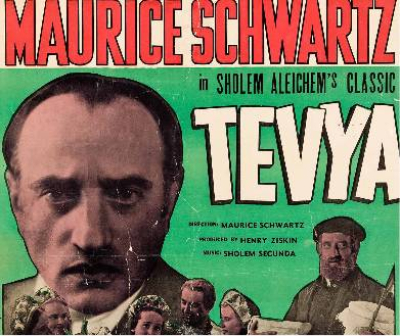
The Origins, Flowering, and Documentary Afterlife of Yiddish Cinema
J. Hoberman delves into the history of Yiddish cinema, a unique chapter in film history and an international enterprise that created a national cinema without a nation-state, speaking to Ashkenazi audiences.
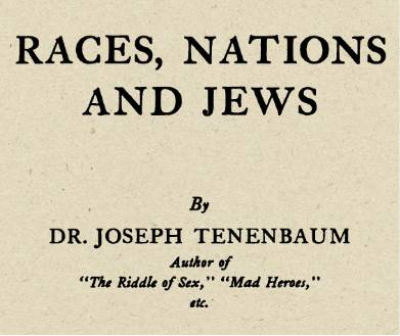
Defining "The Jew" in the Age of Eugenics: American Jewish Physicians and Biological Jewishness in the Early 20th Century
Leigh Alon shows how American Jewish physicians, regardless of their politics, saw delegitimizing the biological basis for Jewishness as imperative towards securing their community’s future.
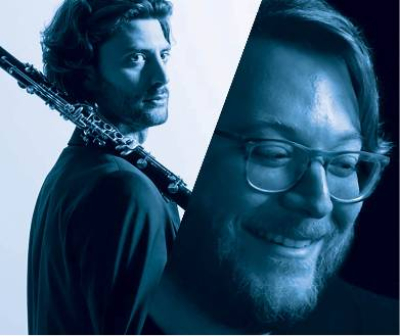
An Evening with Alex Weiser and Andrzej Ciepliński: A Celebration of "Tfiles" and its Carnegie Hall Premiere
Join us for an intimate evening of conversation celebrating the American premiere of Tfiles, a clarinet concerto by composer Alex Weiser, to be performed by clarinetist Andrzej Ciepliński and the American Composers Orchestra.
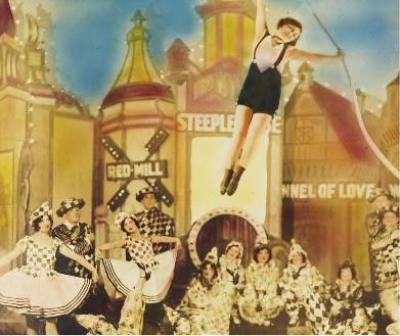
Yiddish Theater Walking Tour
Join YLMC Educator Susannah Trubman for a two-hour walking tour dedicated to the history of the Yiddish theater in the Lower East Side.
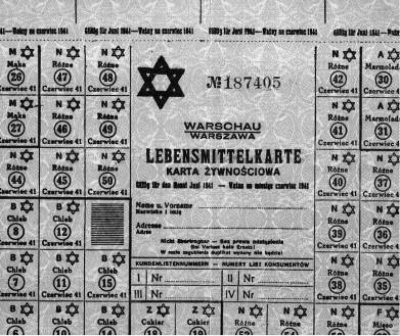
The YIVO Origins of the Oyneg Shabes Archive: Understanding the Documents of the Hersh Wasser Collection
Samuel Kassow investigates YIVO’s Hersh Wasser collection and the insights it offers into the workings of the Oyneg Shabes archive that was organized in the Warsaw Ghetto, one of the most successful examples of cultural resistance in all of Nazi-occupied Europe.
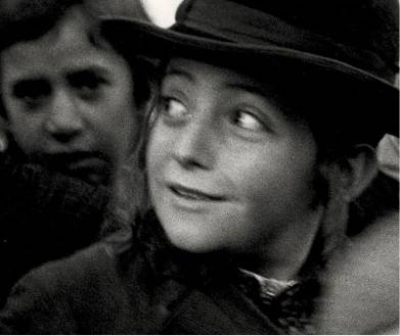
My Name is Stramer
Mikołaj Łoziński, in a conversation led by Irena Grudzinska Gross, tells the tragic story of the interwar years in Poland through the ordinary triumphs and struggles of a sprawling Polish-Jewish family.
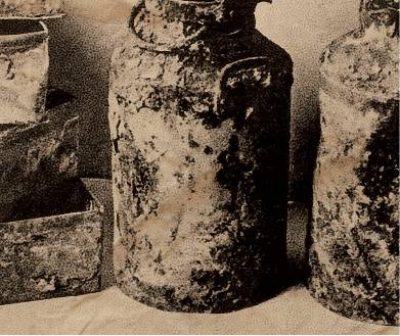
[FALL2026] Spiritual Resistance in the Warsaw Ghetto: Emanuel Ringelblum and the 'Oyneg-Shabes' Archive
Samuel Kassow explores the Oyneg-shabes archive as an act of spiritual and cultural resistance in the face of Nazi oppression.
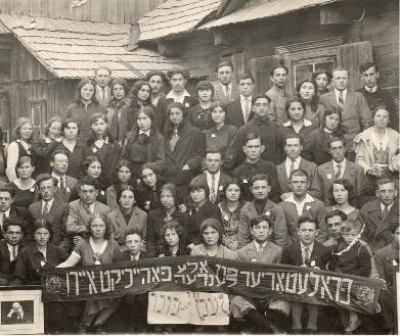
More than a Symbol: The Jewish Labor Bund in History
Joshua Meyers provides an overview of the Bund, rooted not in our world or imaginations, but in the reality of the party’s own members, while exploring its legacy and that of Diaspora Socialism in the 21st century.
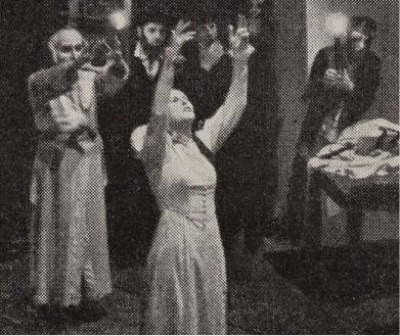
A Staged Reading of 'The Dybbuk'
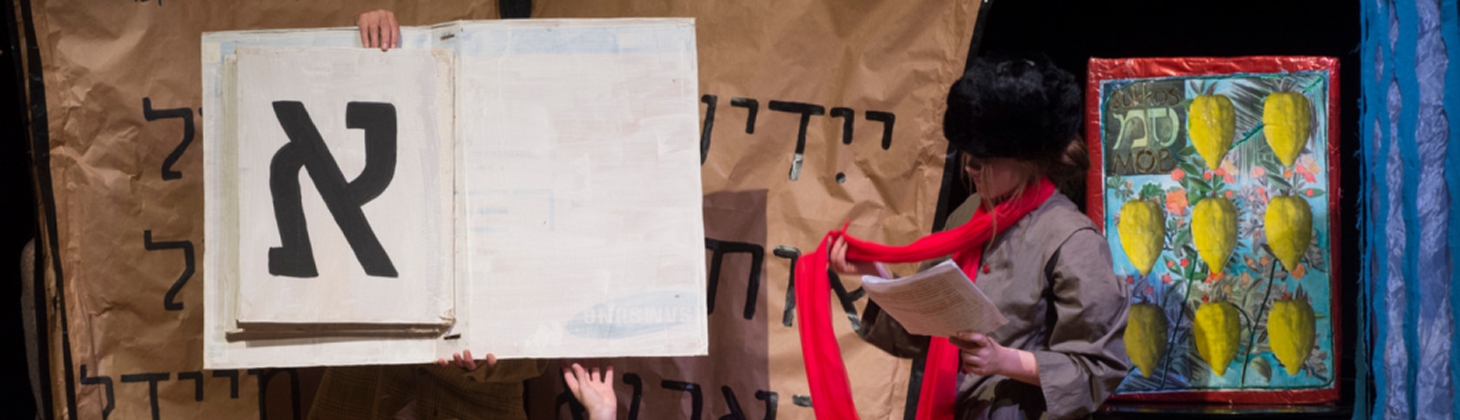
Directed by Mikhl Yashinsky, this classic play reading will feature a telling of Sh. An-ski’s legendary 1916 folk drama of spiritual possession and predestined love.
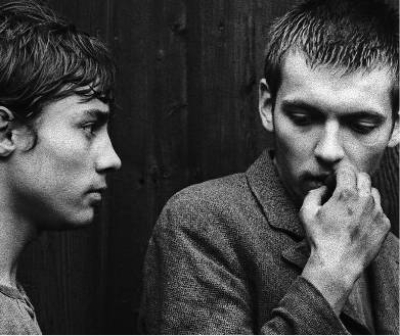
Diamonds of the Night
Join YIVO for a screening of Jan Němec’s Diamonds of the Night, a film about two young Jewish men who escape from a train taking them to their death.
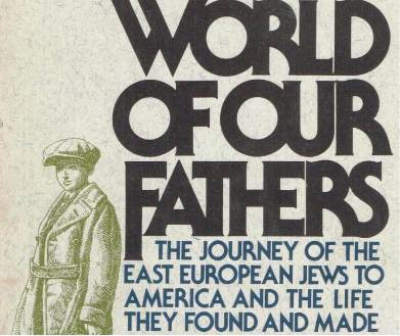
World of Our Fathers at 50
In a discussion moderated by Annie Polland, Tony Michels, Sam Adler Bell, and Hasia Diner reflect on the legacy of Irving Howe’s World of Our Fathers, a classic history of Eastern European Jewish immigrant life in America.
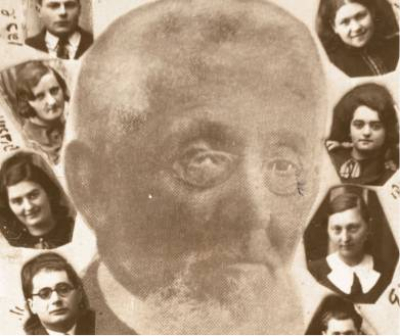
Modern Yiddish Literature
This talk by Anita Norich will trace the development of Yiddish literature from the early nineteenth century onward, examining its major writers, movements, and cultural contexts.
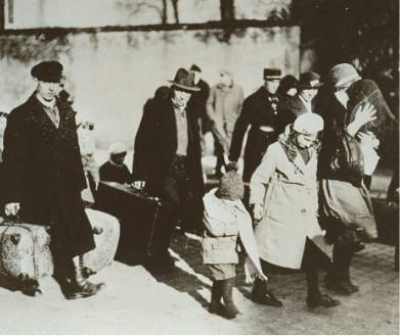
Music in Our Time 2026 - Fleeing for Survival
Performed by students from the Mannes School of Music, this concert celebrates the legacy of Jewish composers who fled Nazi persecution in Germany, Austria, France, and elsewhere.
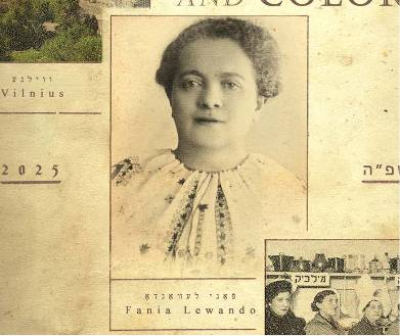
Fania's World of Flavors, Smells, and Colors
Join us for a documentary about the Polish Jewish vegetarian chef Fania Lewando, who operated a Vilna restaurant frequented by a variety of celebrity guests, including Marc Chagall and Jonas Turkow.
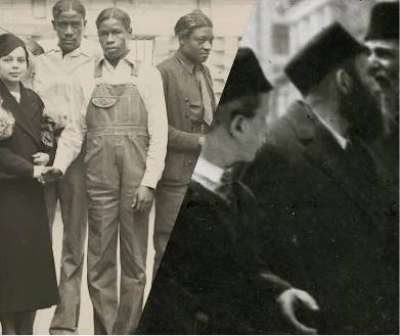
New from Yiddish Voices: Mississippi and Hasidic Warsaw
Celebrate the release of the two latest volumes in YIVO and Bloomsbury Academic’s Yiddish Voices series – Mississippi: A Yiddish Play about the Scottsboro Affair and Hasidic Warsaw: Reb Zalmen and the Aleksander Shtibl.
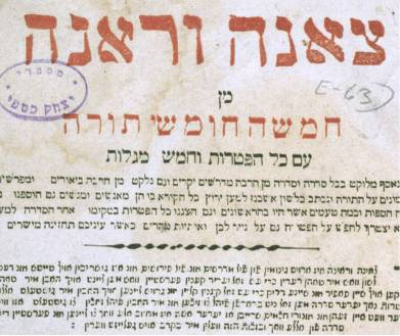
History of Yiddish
Dovid Katz provides an introduction to Yiddish’s origins, evolution, dialects, literature, and cultural history, separating enduring scholarly consensus from persistent myths and debates.
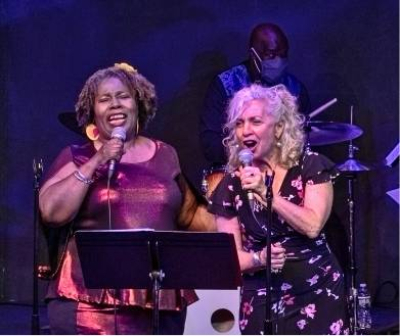
Hanukkah Concert 2026
Always a popular event, the annual Hanukkah concert celebrates this joyous holiday with music, story, and song.
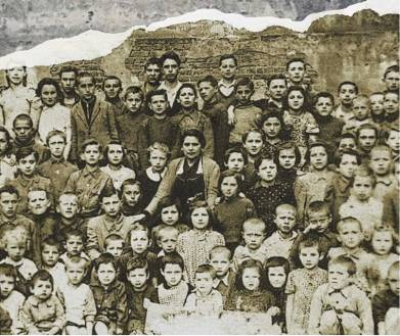
Through the Eyes of Jewish Child Survivors from Poland
Drawing on children’s diaries, letters, testimonies, and memoirs, Joanna Beata Michlic illuminates how children experienced and remembered trauma under Nazi occupation, in a conversation led by Samuel Kassow.
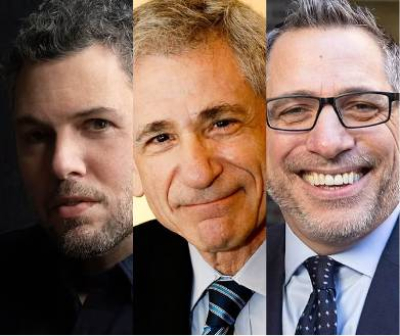
Gal Beckerman, Jonathan Brent, and 92NY's Rabbi David Ingber in Conversation: Preserving History Under Fire
Jonathan Brent, Gal Beckerman, and Rabbi David Ingber explore what it means to protect culture in a time of war, why archives matter long before they become history, and how preserving the stories, voices, and artifacts of the past becomes an act of resilience — and, ultimately, of hope.
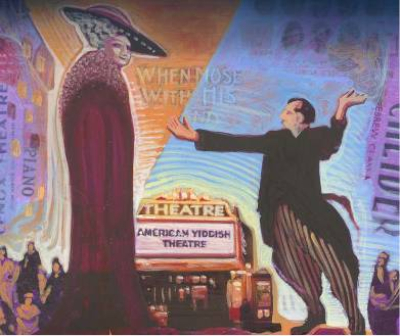
Immigrant Songs: Yiddish Theater and the American Jewish Experience
Enjoy a documentary tracing the history of Yiddish theater from its origins in Eastern Europe and early developments in America to the present day, detailing how musicians with humble origins became the voices of an entire immigrant generation.

A Very Jewish Christmas: Christmas in Yiddish Tradition
Have yourself a very Jewish Christmas with YIVO and learn about how Christmas celebrations once flourished in the Yiddish language. A kosher Chinese food dinner will follow the presentation.
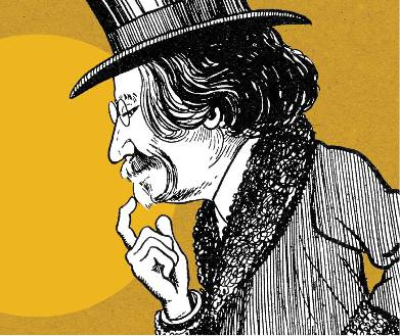
Music of the Third Seder: A Yiddish Passover Concert
Join us for an evening exploring the musical legacy of the Third Seder, the secular Passover celebration that became a vibrant feature of Yiddish cultural life in twentieth-century America.